

Lobster foraging is one of the most rewarding forms of coastal hunting, whether you are exploring low tide rock pools, shallow bays or deeper reef systems. While the environments vary, the core kit remains largely the same. The only real addition for underwater foraging is an extendable float line attached to your torch or a small weight, which you can leave at the entrance of a lobster hole. This simple marker lets you breathe up on the surface without losing the location of the lobster.
We’ve laid out below what we consider to be essential equipment for safe, effective and enjoyable lobstering.
Read our article on How to Catch Lobster: Techniques, Tips and Safe Foraging

Wetsuit: Durable, Warm and Built for Movement
A complete spearfishing wetsuit is best, ideally 5 mm for summer and 7 mm for winter. Avoid smoothskin suits, which tear easily on rough ground and sharp rocks. Instead choose a lined, durable suit that can handle abrasion and, just as importantly, offers comfortable, unrestricted movement. Lobstering requires a high level of agility as you twist, reach, crawl and manoeuvre through gullies and rocky terrain, so a suit designed with flexibility and comfort in mind will make a significant difference to how efficiently and safely you can cover ground.

Weight Vest: Helpful for Shallow Work
When targeting lobsters in shallow water you are naturally more buoyant, which is why a weight vest can help by spreading weight more evenly around your body. Lobstering requires constant movement rather than lying still, so distributing weight keeps you balanced, comfortable and efficient.
This is different from spearfishing, where techniques like the aspetto (ambush) rely on staying still in one place, reducing the need for a vest. For lobsters, the goal is agility and stamina, not stillness.
Fins: Soft, Light and Agile
Lobstering involves weaving through kelp, dropping into gullies, and covering wide areas of seabed. Soft, light fins are far more suitable than stiff, heavy, cumbersome ones. They improve manoeuvrability, reduce fatigue and allow you to explore for longer.
Stiff fins waste energy, reduce breath-hold time and often cause cramping or discomfort. The most successful lobster hunters are not the strongest, but the most persistent, covering more ground efficiently.
Mask and Snorkel: Do Not Cut Corners Here
Your mask and snorkel are your primary tools underwater. Choose a mask with a soft silicone skirt for comfort and a reliable seal.
Your snorkel should be soft and flexible. When moving through kelp, a rigid snorkel is more likely to snag and pull your mask off, whereas a soft snorkel bends out of the way and reduces stress.
Knives: Always Carry Two
A dive knife is an essential safety tool, and you should carry two: one primary and one backup. At least one knife should be placed where either hand can easily reach it, such as on the ankle or belt. This ensures you can free yourself quickly if you become tangled in line, kelp or netting.
Float, Float Line and Catch Bags
A float is essential for marking locations, improving visibility to boats, and carrying your catch. A rigid platform float or board is recommended because it allows you to lift your catch bag out of the water between spots, reducing drag and making towing easier.
Use two heavy duty catch bags rather than one. Lobsters and crabs are strong, and keeping multiple crustaceans together increases the chance of fighting and thus causing damage to the animals. Make sure the mesh size of your bag is designed for crustaceans so nothing can squeeze out.
Torch: Your Most Important Tool for Locating Lobsters
A torch is critical for checking deep inside caves and cracks. Avoid shining it directly into the lobster’s face, as this can scare it further back, but use it to inspect the shape of the cavity and look for antennae, claws or movement.
Top Tip:
Attach your torch to the end of a short extendable float line. When you find a lobster hole, leave the torch at the entrance. It marks the spot so you can take your time breathing up on the surface without losing the location.

Cressi Hunt Dive Torch
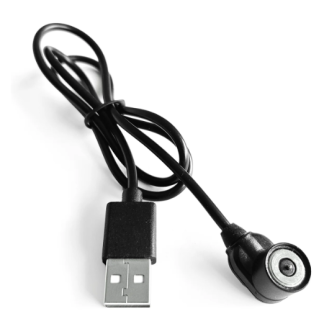
£99.99Cressi Magnetic Charging USB Cable
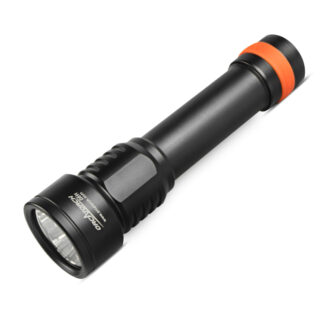
£19.99Orca D511 2200 Lumen Dive Torch
£239.95Orca D530 1300 Lumen Dive Torch
£109.99Orca D550 1000 Lumen Dive Torch
£103.99

Lobster Hook: THE Extraction Tool
A lobster hook must be strong, smooth and sized correctly. It should be:
- Long enough to reach most lobsters
- Short enough to avoid being cumbersome
- Blunt and free of barbs
- Shaped to fit under the lobster’s tail without harm
- BE FREE FROM A WRIST LANDYARD
The aim is to coax, not injure. A hook with barbs is unsafe, unethical and unnecessary.
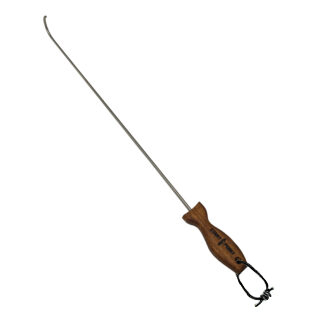
Start Point Lobster Hook
SAFETY WARNING
When diving, it is vital that you never attach anything to your wrist or body that could snag or tangle underwater. This is especially important with a lobster hook. When foraging, it is common for the hook to become stuck in caves, cracks or kelp. If this happens, you must be able to let go instantly and return to the surface for air. Only attempt to retrieve the hook once you are fully recovered and it is safe to do so.
Lobster Gauge: Essential for Legal and Ethical Foraging
A lobster gauge is a simple but essential tool that ensures every lobster you take is legally sized. Estimating by eye can be unreliable, especially underwater, where your mask magnifies everything by around 30 percent, making lobsters appear larger than they really are.
How to Measure Correctly
Place the gauge across the carapace, measuring from the back of the eye socket to the rear edge of the main body shell. If the lobster is even slightly under, return it gently to its hole.
Always check for berried females (females carrying eggs under their tails) or V notched females. These must be released immediately and handled with care, even if they are above legal size.
Dive Watch: Useful for Surface Recovery Awareness
Lobstering often involves frequent shallow dives, which can tempt people into rushing their recoveries. Some lobsters sit deep within cracks, requiring several attempts to extract them. This can lead to poor surface intervals and rising fatigue.
A dive watch, while not essential, is extremely helpful. It tracks:
- Depth
- Dive time
- Surface interval (breath-up recovery time)
This keeps you aware of how much work you’re doing and reduces the risk of shallow water blackout.