Posted on

The Fish That Sink

As spearfishers, freedivers and coastal foragers, we often think about habitat, visibility, and seasons – but buoyancy biology rarely gets the attention it deserves. Whether a fish floats after being caught or sinks like a stone is not luck, it’s linked to one of the most important internal organs in the marine world: the swim bladder.

Some species have them, some don’t, and some have highly modified versions. These differences shape how they swim, hunt, escape, hold depth, and even how they behave after being speared. Understanding buoyancy can help you identify species more accurately, improve shot placement, read underwater movement, and recover fish safely and efficiently.

wrasse

What Is a Swim Bladder?

A swim bladder (also known as a gas bladder or air bladder) is an internal, gas filled organ used to control buoyancy, allowing fish to maintain neutral buoyancy at different depths without constantly swimming. It works by adjusting gas pressure inside the organ to offset the fish’s weight versus water displacement, a bit like built-in trim weights for a diver.

Fish with a functioning swim bladder can hover, glide, and stay mid-water, while fish without one must keep swimming or rest on the seabed to avoid sinking.


UK Fish That HaveSwim Bladders (Buoyant / Neutral-Buoyant)

Many pelagic (open water dwelling) and schooling species have fully developed swim bladders. Common UK examples include:

Spearfishing relevance: These species often hover confidently, make controlled turns, and are more likely to stay mid-water or above structure.


UK Fish That Lack Swim Bladders (sink immediately)

Some species rely purely on muscle power, oil content, body shape or seabed behaviour rather than buoyancy control, meaning they sink rapidly when motion stops. Common UK examples include:

  • Flatfish: plaice, flounder, dab, sole, turbot, brill
  • Mackerel
  • Sharks, rays & skates

Spearfishing relevance: These species are often bottom-hugging, camouflaged, ambush based, and require close visual scanning rather than mid-water hunting.


Pros & Cons: With vs Without a Swim Bladder

FeatureWith Swim BladderWithout Swim Bladder
Buoyancy ControlExcellentNone or very limited
Typical HabitatMid-water / kelp lineSeabed or open water hunters
Energy UseEfficient cruisingHigher constant muscle effort
Predator EvasionAgile gliding & turningSpeed bursts & camouflage
Shot Reaction (Spearfishing)Higher chance to float or suspendDrops fast – risk of loss
Pressure VulnerabilityCan suffer barotraumaMore pressure-tolerant

Why It Matters to Spearfishers

Understanding buoyancy means you can predict fish behaviour and plan your dive:

  1. Know where to search – mid water vs sand/reef
  2. Choose correct approach – glide vs scan
  3. Expect post shot behaviour
    • Swim bladder species may float or suspend
    • Non-swim bladder species often sink instantly, so secure quickly
  4. Improve safety – Understanding buoyancy helps prevent risky or unnecessary deep dives to recover fish.
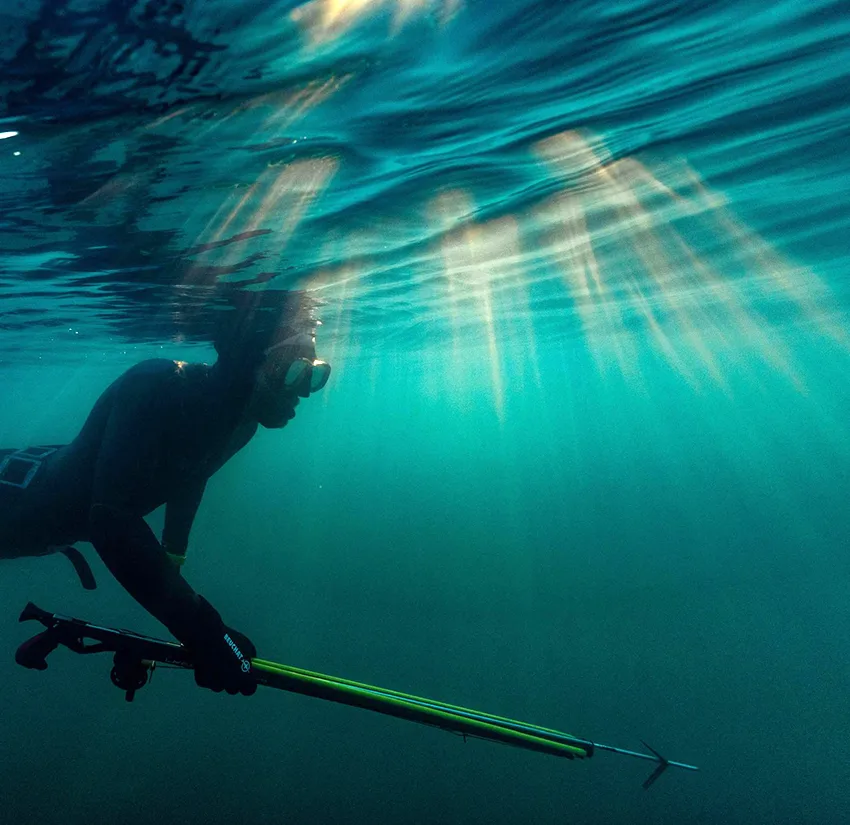
Start Point wetsuit underwater

Buoyancy biology isn’t trivia, it’s underwater intelligence. Recognising whether a species relies on a swim bladder can help you locate, identify, target and recover fish more safely and cleanly, while also appreciating how different species are adapted to their niche in UK waters.

Posted on

Shallow Water Blackout: Causes and Prevention for Freedivers and Spearfishers

spearfishing shallow water blackout

Shallow water blackout (SWB) is a loss of consciousness caused by a lack of oxygen to the brain following breath-holding, most frequently when a diver is ascending or just reaches the surface. Without immediate rescue, drowning is highly likely. It is a preventable incident, but only if divers understand the behaviours that lead to it and practise safe habits every time they dive.

safe freediving and spearfishing

It Does Not “Just Happen”

Shallow water blackout is not a random or unavoidable event. It almost always occurs when a diver pushes beyond their comfortable and safe limits, whether through depth, time, repetition, speed of ascent or incomplete recovery. It is far more common in freediving cultures that focus on personal bests, competitive depth targets, long underwater swims, or breath-hold challenges, rather than relaxed recreational diving.

If you remain well within a comfortable depth range, avoid pushing bottom time, and fully recover on the surface between dives, your risk is dramatically reduced.

Primary Causes

SWB is fundamentally caused by low oxygen, but several behaviours increase risk significantly:

  • Pushing depth or time for achievement rather than enjoyment
  • Hyperventilating before diving, even unintentionally (including after strenuous activity)
  • Repeated dives with inadequate surface recovery
  • Rushing or competing mentally, even informally
  • Fatigue, cold, dehydration, or overconfidence

Importantly, hyperventilation reduces CO₂ but does not increase oxygen stores. This delays the urge to breathe and removes the body’s natural warning system.

Prevention Through Smart Habits

You cannot completely remove risk, but you can greatly reduce it:

  1. Never dive alone – a buddy must watch every ascent and first breaths
  2. Do not hyperventilate – use calm, natural breathing only
  3. Stay well within your comfortable depth and time
  4. Recover fully on the surface before every new dive
  5. Avoid diving immediately after intense exertion
  6. Stop if you feel off, tired, cold, anxious, or rushed

Surface Recovery Recommendation

A simple, effective guide is:

Surface recovery time = 2.5 to 3 times your dive time

For example:

  • If your dive lasted 40 seconds, recover at the surface for 100 to 120 seconds before diving again.
  • Take extra care beyond 6 metres, as it becomes easier to lose track of depth, effort and total dive count.

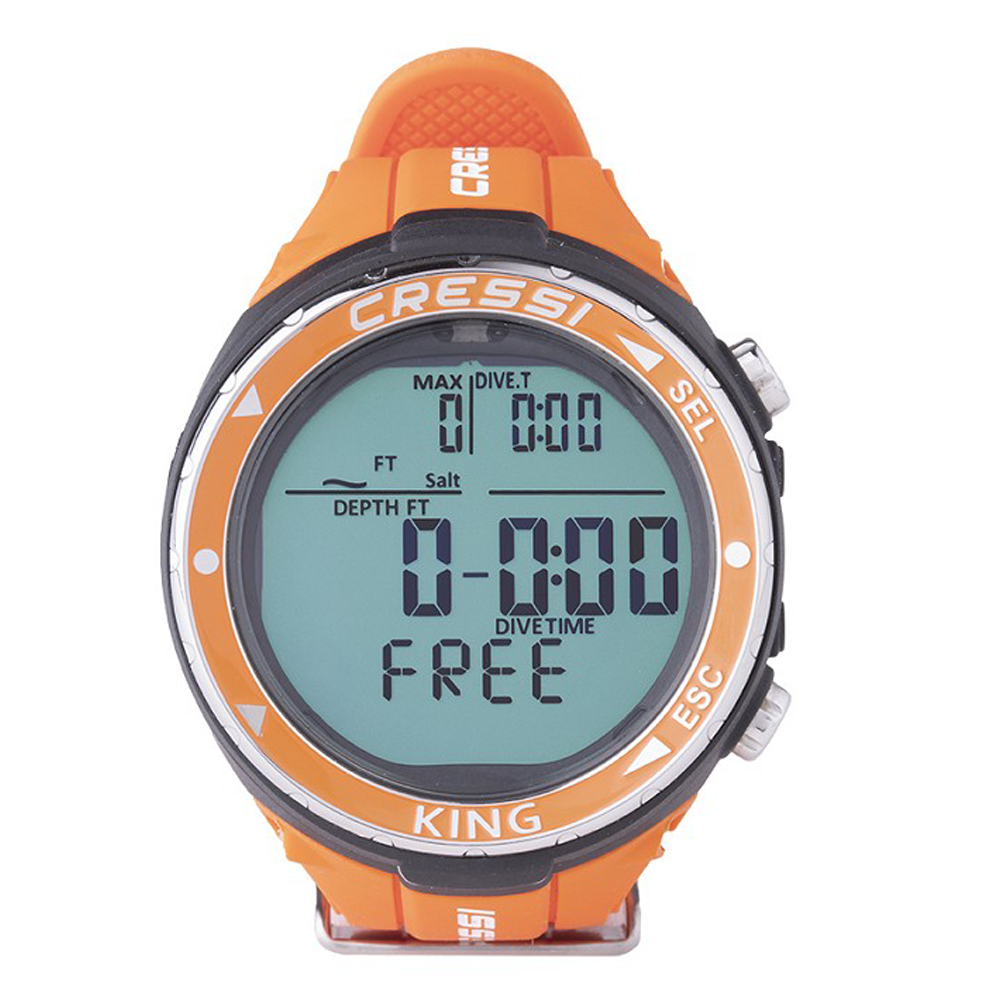
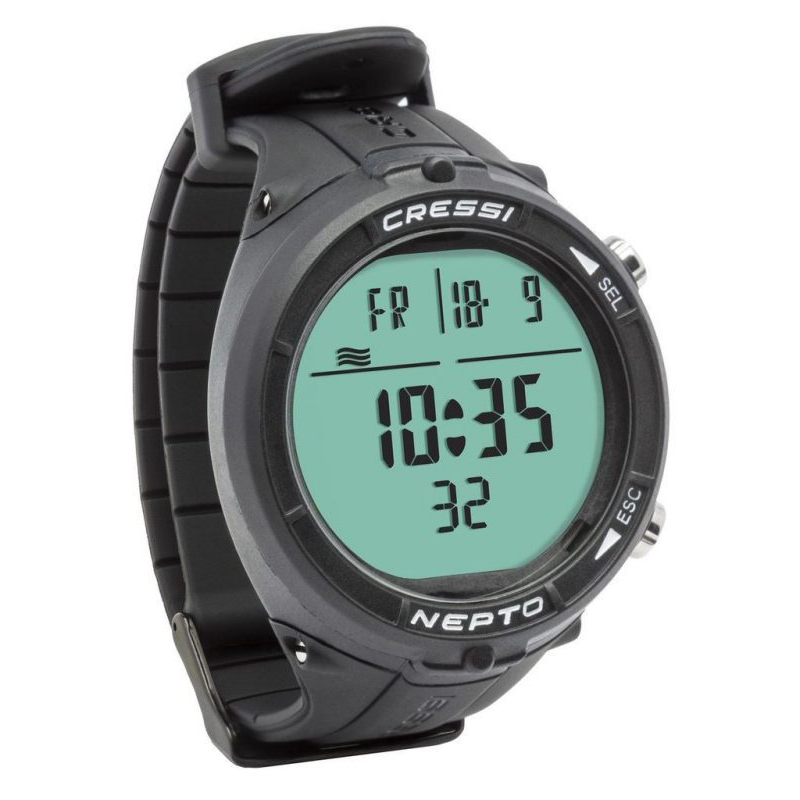
To help maintain awareness, consider investing in a dive watch that tracks depth, dive duration and surface interval, giving you objective feedback instead of relying on memory or feeling.

Why Divers Misjudge Risk

Breath-hold discomfort is controlled mainly by CO₂ rise, not oxygen drop. This is because it is the increase of CO₂ which makes you want to breathe. This means you may feel fine shortly before blackout, especially after hyperventilation or when adrenaline, excitement, or task focus distracts you. Relying on feeling “ok” is not a safety strategy.


Final Thought

Shallow water blackout is preventable when divers value enjoyment and safety over numbers. The ocean will always be there, progress comes from patience, awareness and consistency, not from pushing limits. Safe divers are not defined by depth or time, but by making it home after every dive. 

Posted on

Lobsters: What Kit Do You Need for Safe and Effective Foraging?

lobster kit

Lobster foraging is one of the most rewarding forms of coastal hunting, whether you are exploring low tide rock pools, shallow bays or deeper reef systems. While the environments vary, the core kit remains largely the same. The only real addition for underwater foraging is an extendable float line attached to your torch or a small weight, which you can leave at the entrance of a lobster hole. This simple marker lets you breathe up on the surface without losing the location of the lobster.

We’ve laid out below what we consider to be essential equipment for safe, effective and enjoyable lobstering.

Read our article on How to Catch Lobster: Techniques, Tips and Safe Foraging

spearfishing courses south devon

Wetsuit: Durable, Warm and Built for Movement

A complete spearfishing wetsuit is best, ideally 5 mm for summer and 7 mm for winter. Avoid smoothskin suits, which tear easily on rough ground and sharp rocks. Instead choose a lined, durable suit that can handle abrasion and, just as importantly, offers comfortable, unrestricted movement. Lobstering requires a high level of agility as you twist, reach, crawl and manoeuvre through gullies and rocky terrain, so a suit designed with flexibility and comfort in mind will make a significant difference to how efficiently and safely you can cover ground.

spearfishing wetsuits

Weight Vest: Helpful for Shallow Work

When targeting lobsters in shallow water you are naturally more buoyant, which is why a weight vest can help by spreading weight more evenly around your body. Lobstering requires constant movement rather than lying still, so distributing weight keeps you balanced, comfortable and efficient.

This is different from spearfishing, where techniques like the aspetto (ambush) rely on staying still in one place, reducing the need for a vest. For lobsters, the goal is agility and stamina, not stillness.


Fins: Soft, Light and Agile

Lobstering involves weaving through kelp, dropping into gullies, and covering wide areas of seabed. Soft, light fins are far more suitable than stiff, heavy, cumbersome ones. They improve manoeuvrability, reduce fatigue and allow you to explore for longer.

Stiff fins waste energy, reduce breath-hold time and often cause cramping or discomfort. The most successful lobster hunters are not the strongest, but the most persistent, covering more ground efficiently.


Mask and Snorkel: Do Not Cut Corners Here

Your mask and snorkel are your primary tools underwater. Choose a mask with a soft silicone skirt for comfort and a reliable seal.

Your snorkel should be soft and flexible. When moving through kelp, a rigid snorkel is more likely to snag and pull your mask off, whereas a soft snorkel bends out of the way and reduces stress.


Knives: Always Carry Two

A dive knife is an essential safety tool, and you should carry two: one primary and one backup. At least one knife should be placed where either hand can easily reach it, such as on the ankle or belt. This ensures you can free yourself quickly if you become tangled in line, kelp or netting.


Float, Float Line and Catch Bags

A float is essential for marking locations, improving visibility to boats, and carrying your catch. A rigid platform float or board is recommended because it allows you to lift your catch bag out of the water between spots, reducing drag and making towing easier.

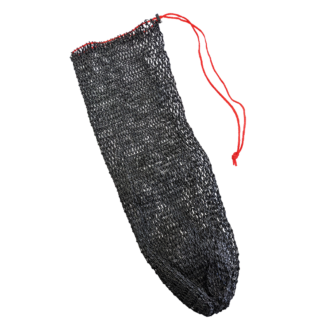
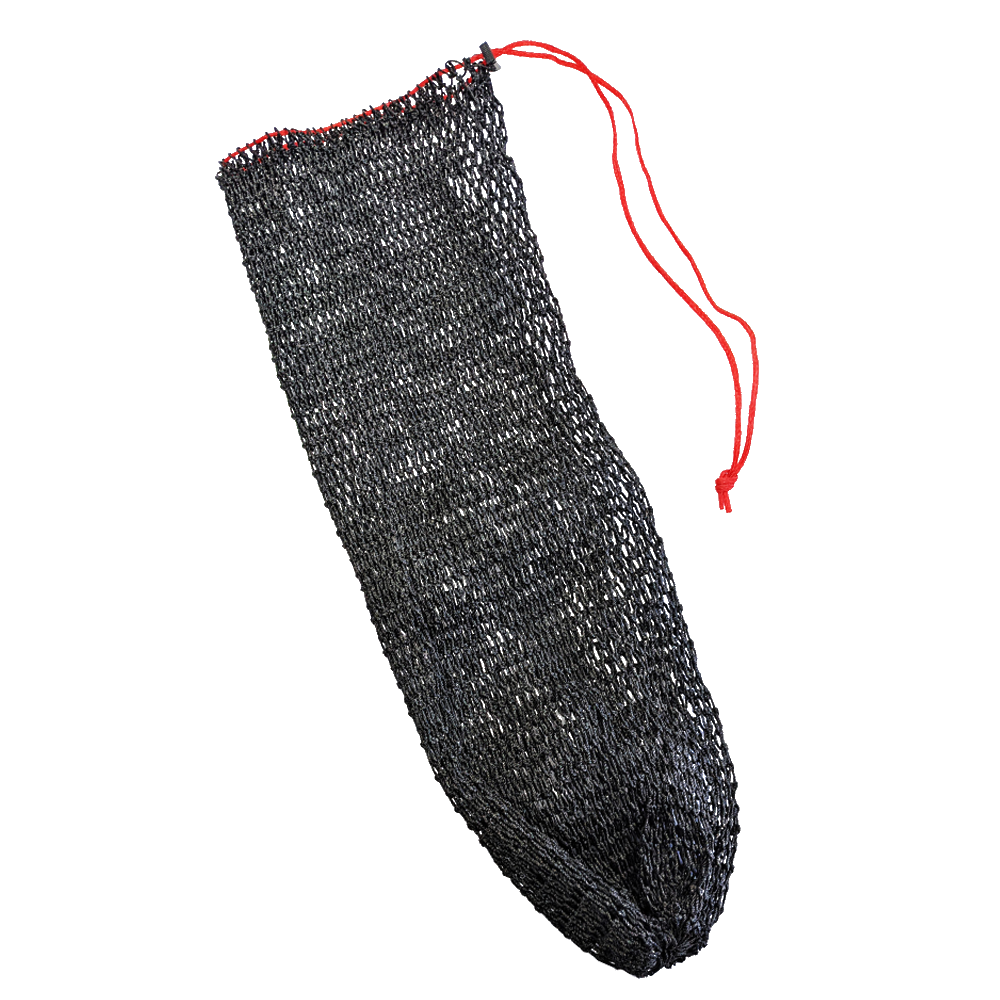
Use two heavy duty catch bags rather than one. Lobsters and crabs are strong, and keeping multiple crustaceans together increases the chance of fighting and thus causing damage to the animals. Make sure the mesh size of your bag is designed for crustaceans so nothing can squeeze out.


Torch: Your Most Important Tool for Locating Lobsters

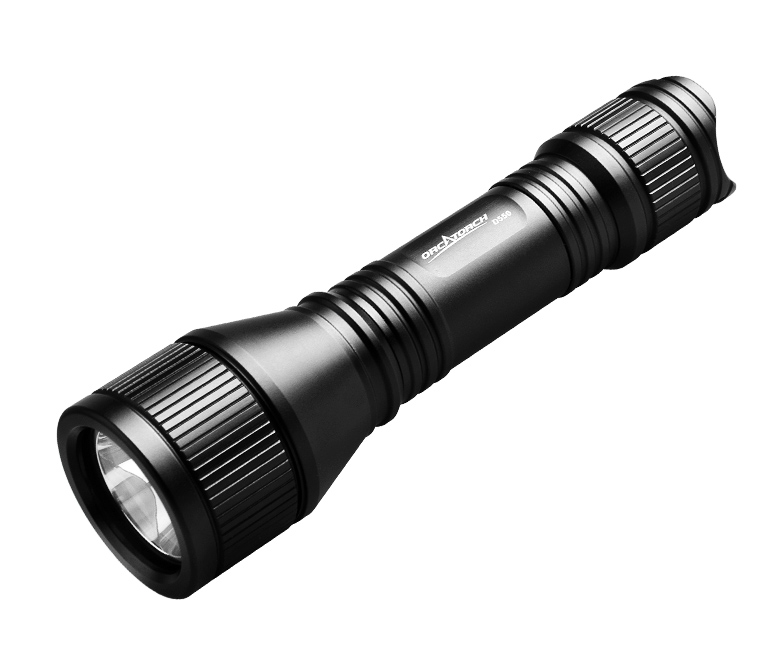
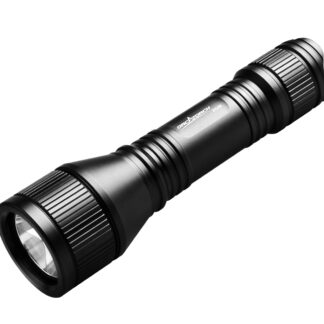
A torch is critical for checking deep inside caves and cracks. Avoid shining it directly into the lobster’s face, as this can scare it further back, but use it to inspect the shape of the cavity and look for antennae, claws or movement.

Top Tip:

Attach your torch to the end of a short extendable float line. When you find a lobster hole, leave the torch at the entrance. It marks the spot so you can take your time breathing up on the surface without losing the location.


Lobster Hook: THE Extraction Tool

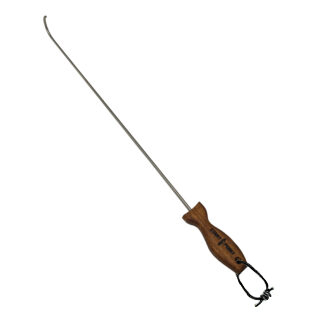
A lobster hook must be strong, smooth and sized correctly. It should be:

  • Long enough to reach most lobsters
  • Short enough to avoid being cumbersome
  • Blunt and free of barbs
  • Shaped to fit under the lobster’s tail without harm
  • BE FREE FROM A WRIST LANDYARD

The aim is to coax, not injure. A hook with barbs is unsafe, unethical and unnecessary.

Lobster hook black lanyard

Start Point Lobster Hook

Price range: £24.99 through £31.99

SAFETY WARNING

When diving, it is vital that you never attach anything to your wrist or body that could snag or tangle underwater. This is especially important with a lobster hook. When foraging, it is common for the hook to become stuck in caves, cracks or kelp. If this happens, you must be able to let go instantly and return to the surface for air. Only attempt to retrieve the hook once you are fully recovered and it is safe to do so.


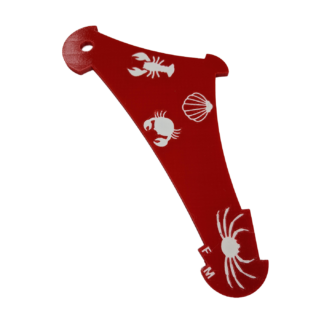
A lobster gauge is a simple but essential tool that ensures every lobster you take is legally sized. Estimating by eye can be unreliable, especially underwater, where your mask magnifies everything by around 30 percent, making lobsters appear larger than they really are.

How to Measure Correctly

Place the gauge across the carapace, measuring from the back of the eye socket to the rear edge of the main body shell. If the lobster is even slightly under, return it gently to its hole.

Always check for berried females (females carrying eggs under their tails) or V notched females. These must be released immediately and handled with care, even if they are above legal size.


Dive Watch: Useful for Surface Recovery Awareness

Lobstering often involves frequent shallow dives, which can tempt people into rushing their recoveries. Some lobsters sit deep within cracks, requiring several attempts to extract them. This can lead to poor surface intervals and rising fatigue.

A dive watch, while not essential, is extremely helpful. It tracks:

  • Depth
  • Dive time
  • Surface interval (breath-up recovery time)

This keeps you aware of how much work you’re doing and reduces the risk of shallow water blackout.

Posted on

How to Catch Lobster: Techniques, Tips and Safe Foraging

Lobster foraging

Catching lobster is one of the most satisfying challenges in British coastal foraging. It demands patience, movement, agility, sharp observation and, above all, a calm and methodical approach. Whether you are exploring shallow reefs or diving deeper rocky ground, the goal is always the same: locate, assess, and extract safely and respectfully.

Before attempting any lobster foraging, make sure you are familiar with the legal size limits, catch restrictions, local bylaws and permits required in your area. Foraging responsibly protects stocks and ensures the experience remains sustainable for everyone.

Check out our useful blog ‘Lobsters: What Kit Do You Need for Safe and Effective Foraging? to make sure you’re fully prepared.

spearfishing courses south devon

Where Lobsters Live

Lobsters favour rocky ground, boulder fields, kelp forests and broken reef. They shelter in:

  • Deep cracks
  • Small caves
  • Under boulders
  • The back of narrow gullies
  • Beneath layers of kelp stalks

An ideal lobster hole usually has a wide entrance, sand or gravel pushed forward from digging, and sometimes crushed shells outside. Look for movement, feelers, or even the subtle shape of a tail deep inside the cave.


Finding Lobsters Underwater

Finding lobster is often the hardest part. It’s a game of search efficiency, not luck. Move at a steady pace, scan every likely feature, and develop the habit of checking any dark gap that might hold a crustacean.

A good torch is essential for looking into the back of caves and cracks. Never shine it directly in the lobster’s face as this can cause it to retreat deeper. Instead, angle the beam so you light the area without startling it.

If you find a promising hole, use your extendable float line and torch attached to your float to mark the spot. Leave the torch at the entrance, swim up to the surface, breathe up calmly and plan the extraction.


Approaching the Lobster

Approach slowly and deliberately. Lobsters rely on their antennae to sense threats; sudden water movement or clumsy fin strokes can spook them.

Once you spot the lobster inside its hole:

  1. Keep low and move in gently.
  2. Position yourself so you can see the tail, not the claws.
  3. Avoid blocking the exit too aggressively, which may cause the lobster to stay pinned inside.
  4. If it retreats out of sight, do not chase it deeper. Reassess and try again after recovery.

Patience is essential here – rushing the approach usually results in a missed catch.


Using the Lobster Hook

A lobster hook is your primary extraction tool. The aim is not to spear or stab, but to encourage the lobster backward toward you so you can grip it by hand.

To use the hook correctly:

  1. Slide it gently along the floor or wall of the cave.
  2. Reach until the hook is positioned behind the lobster’s tail.
  3. Apply slow pressure to nudge the tail forward.
  4. The lobster will likely then turn to face perceived threat from the hook, thus exposing its carapace to you.
  5. As the lobster moves, be ready with your free hand to grab it around the carapace just behind the claws.
  6. Keep your grip firm but not aggressive – you are controlling, not harming.

A properly designed lobster hook is blunt, sufficiently curved to match the shape of a lobster’s tail, and poses no risk of injury.

Handling the Lobster Safely

Once the lobster is out of the hole:

  • Hold it firmly by the carapace.
  • Keep it away from your face as lobsters can flick their tails sharply.
  • Do not squeeze or bend the tail excessively.
  • Place it into a heavy duty catch bag designed for crustaceans. Always keep the opening secured.

Remember: some lobsters must be released. If the lobster is egg-bearing (berried), too small, V-notched or outside other legal limits, return it carefully to its hole.

Lobster Scallop Net Catch Bag

Surface Recovery and Dive Management

Lobstering often involves dozens of short dives while exploring rocky ground, which can tempt divers into rushing their breath-ups. This is where incidents happen.

A simple safety rule:

Surface recovery time should be 2.5 to 3 times your dive time.

Extra care is needed beyond 6 metres, where exertion and repeat dives accumulate faster than you may realise.

A dive watch is extremely helpful for tracking depth, dive time and recovery, and can dramatically improve your safety and efficiency.

Learn more about shallow water blackout and the importance of proper recovery time with our blog: ‘Shallow Water Blackout: Causes and Prevention for Freedivers and Spearfishers’


Best Conditions for Lobstering

You will improve your success rate by diving in:

  • Good visibility
  • Low surge
  • Light swell
  • Slack or gentle tide
  • Minimal wind

Lobsters can still be found in poor visibility, but you’ll spend more energy searching and be more exposed to entanglement hazards.

Final Thought

Catching lobster is not about force or aggression. The best lobster divers are patient, observant and consistent. With the right kit, careful movements and an organised approach, lobster foraging becomes a safe, rewarding and highly engaging skill.

Posted on

Why Spearfishers Should Avoid Taking Fish During Feeding Frenzies

UK spearfishing

Feeding frenzies are one of the most dramatic sights you’ll encounter underwater. Fish gather tightly, surge through bait clouds and behave far more boldly than usual as they compete for food. It may look like the perfect opportunity to take an easy shot, but responsible spearfishers avoid doing so for good reason.

Ethical spearfishing is built on selectivity, restraint and understanding natural behaviour. Taking fish during a feeding frenzy goes against all three. This article explains why avoiding frenzies is better for fish stocks, ecosystems and the reputation of spearfishing as a sustainable method.

What Is a Feeding Frenzy?

A feeding frenzy is when a group of fish becomes highly concentrated and highly stimulated due to an abundant food source. Examples include:

  • schools attacking bait balls
  • bass or pollack firing through shoals of whitebait
  • mackerel corralling sandeels
  • wrasse and bream picking through disturbed seabeds

During a frenzy, fish lose their usual caution, behave erratically and are often easier to approach.

wetsuits for spearfishing
spearguns for sale

Why Ethical Spearfishers Avoid Shooting During Frenzies

1. The fish are not behaving normally

Fish in a frenzy are distracted and acting out of instinctive urgency rather than awareness. They abandon their usual flight distance, making them unusually easy to shoot. Taking advantage of this undermines the fair-chase, selective nature of ethical spearfishing.

2. There is a risk of over-harvesting a single local group

Feeding frenzies concentrate individuals from the same species into a very small area. Taking multiple fish from that tight cluster can place unnecessary pressure on a specific localised stock.

3. Some “frenzies” are actually spawning or pre-spawning aggregations

Certain species gather tightly when preparing to spawn or during seasonal migrations. What looks like a hungry shoal may actually be a critical life-cycle moment. Removing fish during a spawning or pre-spawning aggregation can cause disproportionate harm, because these individuals are often the most reproductively valuable. Taking them at this time may weaken the population at its most important stage.

4. It disrupts the balance of that reef or structure

A frenzy often happens around a feature that supports a wider food chain – a reef, bait shoal or patch of ground disturbed by tides. Removing fish rapidly in such a moment can temporarily shift the ecology of that spot, especially in smaller reefs.

5. It encourages a quantity over quality mindset

Spearfishing is selective by design, but frenetic moments tempt divers to take more than they intended. Ethical spearfishing means taking only what you need, not what is easiest.


The Responsible Alternative

A responsible spearfisher observes a frenzy with interest but does not exploit it. Instead:

  • let the fish settle
  • select a single fish you genuinely intend to eat
  • take one clean, deliberate shot
  • leave the area once you have your fish
  • avoid taking multiple individuals from the same feeding event

This approach protects stocks, supports sustainability and keeps spearfishing aligned with the values that make it environmentally sound.


What You Can Learn From a Feeding Frenzy

Even without taking a shot, feeding frenzies can offer valuable information:

  • Species composition – which fish are hunting, and what prey is present
  • Seasonal behaviour – frenzies often coincide with bait migrations
  • Location quality – good structure often attracts these events
  • Size distribution – you may spot larger individuals to return for later
  • General ecosystem health – a frenzy is usually a sign of a thriving food web

Watching and learning is often more valuable than shooting.


How Feeding Frenzies Fit Into Sustainable Spearfishing

Avoiding feeding frenzies supports the wider ethical principles of spearfishing:

  • It maintains selectivity
  • It prevents concentrated harvesting pressure
  • It protects breeding behaviour
  • It shows respect for the natural movement and behaviour of fish
  • It demonstrates restraint – a key trait of responsible divers

Sustainable spearfishing isn’t about getting the easiest catch; it’s about making choices that protect the long-term health of British fish stocks. 

UK spearfishing

Feeding frenzies are incredible natural spectacles, but they are moments to observe, not exploit. By choosing not to shoot during these events, we support the values that make spearfishing one of the most sustainable forms of fishing in the UK – selective, respectful and in tune with the sea.

Posted on

The Ethics of Selective, Sustainable Spearfishing & Foraging

spearfishing Devon

In a time when commercial overfishing, habitat loss, and plastic pollution are pushing marine ecosystems to their limits, spearfishing and shoreline foraging can seem like small activities with a small impact… and that’s exactly the point!

When it’s approached with intention, respect, and knowledge, selective spearfishing and hand-gathering can be one of the most ethical ways to source wild food.

spearfishing Devon

Unlike trawling, long-lining, or net fishing, spearfishing offers something no other method can: 100% selectivity. The diver chooses the exact species, size, and individual fish before taking the shot. There are no by-catch victims, no ghost gear, and no wasted lives. Foragers, too, make deliberate decisions — taking only what they recognise, understand, and can use.

But ethical harvesting goes beyond good equipment and sharp aim. It starts with knowing your ecosystem: local laws, minimum sizes, seasonal closures, breeding behaviour, and protected species. It continues with personal responsibility — asking not “Can I?” but “Should I?”


Responsible spearos and foragers follow three core principles:

  1. Take only what you can use, not what you can brag about
    Instagram feeds are never good reasons to kill or collect more.
  2. Harvest the most abundant, not the rare or curious
    Leave breeders, unusual specimens, and anything you’re unsure about.
  3. Leave the environment better than you found it
    Pick up litter, avoid damaging seabeds, and respect wildlife watching areas.

Beyond the immediate act of taking food, sustainable spearfishing and foraging also recognise the wider ecological context: predator-prey balance, habitat regeneration, and the long-term impacts of climate change on species distribution. Cold water kelp forests, seagrass beds, and rocky reef ecosystems are already under pressure from warming seas, invasive species, intensive fishing practices and coastal development, meaning even a small amount of unnecessary disturbance can have ripple effects over many years. Ethical harvesters become students of the sea – observing patterns, noticing absences, celebrating recoveries, and adapting techniques based on what nature, rather than convenience, permits.

Learn more about the licensing and permits in the UK: by checking out our article on: Spearfishing & Foraging Licensing in the UK – Rules, Permissions & Legal Awareness

wetsuits for spearfishing
spearguns for sale
Start Point wetsuit underwater

When we choose to hunt and gather in this way, we don’t just feed ourselves, we connect with the sea, develop ecological literacy, and become ambassadors for a healthier coastline.Selective, sustainable spearfishing and foraging isn’t about trophies, it’s about relationship. Real hunters aren’t extractors. We are caretakers.

Posted on

Spearfishing & Foraging Licensing in the UK – Rules, Permissions & Legal Awareness

spearfishing licensing

When it comes to harvesting from the sea, the UK stands apart from many countries by allowing recreational spearfishing without a general national spearfishing licence. However, in most regions recreational dive permits are required when foraging for particular species. A responsible spearfisher or coastal forager needs to understand where licences are required, when permissions apply, and how local bylaws, conservation zones, and fisheries rules can affect what you may take. Ethical harvesting isn’t just about how we collect food from the sea, it’s about respecting the legal frameworks that help safeguard wildlife, habitat, and future stock.

Unlike freshwater angling, which typically requires an Environment Agency rod licence, recreational spearfishing in UK coastal waters does not currently require a licence. Similarly, most casual shoreline foraging (such as hand-collecting seaweed, molluscs, crustaceans, or shellfish for personal consumption) is generally legal in public access areas and within personal use limits. However, this is only the starting point and several important restrictions still apply, including size limits, seasonal closures, protected species, no-take zones, private land ownership, and restrictions around commercial harvesting. Understanding the nuances of each helps you avoid accidental harm or fines while remaining a trusted member of the coastal community.

No recreational licence required, but the following rules still apply:

  • You must comply with minimum landing sizes, bag limits, and closed seasons
  • You must not target protected species, spawning aggregations, or species restricted under local bylaws
  • Spearfishing with scuba equipment is not permitted
  • Many harbours, estuaries, marine infrastructure areas, and bathing beaches prohibit spearfishing for safety or wildlife protection
  • Marine Protected Areas (MPAs) and No-Take Zones may prohibit removal of any marine life
  • Spearfishing in freshwater rivers is not permitted

Private waters, fisheries, or certain coastal estates may require explicit permission regardless of method.
For up to date information on all local bylaws relating to harvesting local marine life, be sure to subscribe to updates from your local IFCA (Inshore Fisheries and Conservation Authority) organisation.

Foraging in the UK – Licensing, Permissions & Boundaries

Shoreline foraging for personal use is generally permitted without a licence. However, if you intend on diving or potting for crabs, lobster or scallops you will most likely need to apply for a licence through your local IFCA organisation. 

The application is known as a recreational dive or potting permit, depending on requirement. Applications generally only cost £20 and remain valid for 2 years.

Regardless of whether the license is required in your area, it is always important to adhere to the below:

  • Personal consumption only – no commercial selling without appropriate licences/permissions
  • Follow local minimum size and catch limits for shellfish and crustaceans
  • No-take species, SSSIs, MCZs, bird reserves, and private estates may be restricted, but check your local bylaws for up to date info
  • Seaweed rules vary – cutting is usually allowed for personal use, uprooting is often prohibited

Foraging inland, on private land, saltmarsh, or estuarine zones may require permission from landowners, councils, the Crown Estate, or conservation authorities.

Check your local IFCA organisation to see whether you need a recreational diving or potting permit in your area and for up to date information regarding minimum landing sizes and other catch limits. 

Follow the link to see the Diving Permit Bylaw for the Devon & Severn IFCA. Bylaws vary by region. 

Our daily catch bass, lobster and spider crabs

A Note on Enforcement & Responsibility

The UK has a complex patchwork of rules which involve:

  • IFCAs (Inshore Fisheries and Conservation Authorities)
  • Marine Management Organisation
  • Environment Agency
  • Local councils
  • Crown Estate
  • Harbour authorities
  • Nature reserves and trusts

This means what is legal in one area may be illegal one headland over.

Because of this, it is your responsibility to check current, local regulations before harvesting. Regulations evolve based on stock health, conservation needs, and science-based monitoring and therefore staying updated is not only your responsibility but part of your ethical obligation.

Final Thought

Spearfishing and foraging in the UK remain accessible, rewarding, and sustainable when knowledge, respect, and responsibility are prioritised alongside skill. The question is less, “Do I need a licence?” and more “Am I fully informed and operating within best practice?”

Posted on

How Spearfishing Affects Fish Stocks in the UK

UK spearfishing

Spearfishing in the UK is often misunderstood, especially when it comes to its impact on fish populations. Unlike many other forms of fishing, spearfishing is a highly selective, low-impact, sustainable method when practised responsibly. With growing interest in ethically sourced seafood and sustainable foraging, it’s important to understand how spearfishing fits into the wider picture of UK marine conservation and fishery health.

This article explains how spearfishing affects UK fish stocks, why it is considered one of the most responsible ways to harvest fish, and what divers can do to keep their impact positive.

uk spearfishing

Is Spearfishing Bad for Fish Stocks?

In short: No, not when carried out within UK regulations and with responsible diver behaviour.
Spearfishing is regarded as one of the least damaging methods of taking fish or seafood because:

  • it is entirely selective
  • there is no by-catch
  • fish are taken one at a time
  • there is no lost gear, unlike angling hooks, lead sink weights or nets
  • divers typically target common, plentiful species

These traits make spearfishing fundamentally different from commercial fishing and even recreational rod and line fishing.

Why Spearfishing Is Considered Sustainable

Spearfishing has several built-in limitations that naturally protect fish numbers.

  1. It is 100% selective
    The diver sees the fish before taking the shot, meaning:
  • no juvenile fish are taken
  • no protected species are harmed
  • no unwanted species are caught accidentally
  • good breeders can be left alone

Selectivity alone dramatically reduces ecological impact.

  1. Low catch volume
    The spearfishing culture in the UK is to only take what you need, and you can only catch as much seafood as you can physically dive for. This places a natural cap on harvest compared to nets or large-scale angling efforts.
  2. No habitat damage
    Spearfishing causes zero seabed impact, unlike dredging, trawling or poorly placed lobster pots.
  3. No ghost gear
    Lost hooks, nets and lines can kill fish and marine life for years. A speargun cannot continue harming the environment if dropped or lost to sea.
  4. No post-catch mortality
    Angling creates “unrecorded deaths” from gut-hooking, stress or deep-water barotrauma. Spearfishing avoids this entirely.

What UK Species Are Commonly Targeted?

Spearfishers typically target abundant, fast-growing species, such as:

  • Pollock
  • Bass (within legal sizes and seasons)
  • Mullet
  • Flatfish species
  • Mackerel
  • Black bream

These species are resilient and, when local bylaws are respected, spearfishing pressure has minimal impact on overall stock health.

Pollock
Pollock
golden grey mullet
Golden grey mullet
wetsuits for spearfishing
spearguns for sale

Where Spearfishing Can Have Localised Impact

While spearfishing is broadly sustainable, localised pressure can occur if divers:

  • Continuously target the same reef
  • Take multiple fish from small, isolated structures
  • Take breeding-sized fish during key seasons
  • Ignore minimum landing sizes
  • Take wrasse in areas where they play a key ecological role

Awareness and self-regulation are essential, particularly in heavily dived regions.

The UK has strict minimum landing sizes and regional bylaws that help protect fish stocks. Spearfishers must always adhere to:

  • Minimum legal sizes (bass, pollack, plaice, etc.)
  • Seasonal bass restrictions and bag limits
  • No-take zones, UK MCZs and local bans (see designated UK MCZs)
  • Bans on spearfishing salmonid species (salmon and sea trout)

These rules exist to ensure long-term sustainability and healthy ecosystems.

How Spearfishers Can Protect Fish Stocks Further

Responsible divers go beyond the legal minimum. To keep spearfishing sustainable:

Choose your shots carefully
Aim only at fish you intend to eat and are confident you can land cleanly.

Avoid breeding aggregations
If you find a nest, large shoal, or feeding frenzy, observe it but do not take advantage of it.

Rotate your spots
Avoid repeatedly harvesting the same reef.

Take only what you need
Fresh is always best

Learn local ecology
Understanding species behaviour helps you make informed, respectful choices.

Does Spearfishing Help Conservation?

In many ways, yes.
Spearfishers are extremely in tune with local marine environments. They notice changes in:

  • fish populations
  • breeding patterns
  • invasive species
  • habitat health
  • water quality

Many spearfishers contribute valuable citizen science observations and support marine conservation efforts. Knowledgeable divers often advocate strongly for marine protection because they directly witness environmental change.

Start Point wetsuit underwater

Spearfishing, when practised responsibly, is one of the most sustainable and selective ways to harvest seafood in the UK. It respects the environment, avoids bycatch, and encourages divers to understand and protect the ecosystems they interact with.
Sustainable spearfishing isn’t about taking more – it’s about taking better. Better choices, better awareness, and better respect for the sea.

Posted on

How to Stay Dive-Fit Through Winter: Simple Training Ideas

stay dive-fit

When rough seas, cold spells and poor visibility get in the way of regular spearfishing, underwater foraging or freediving, it’s easy to lose momentum. However, the off season is one of the best opportunities to sharpen diving technique, build confidence, and work on weaknesses without the pressure of finding fish. Think of it as pre-season freedive conditioning rather than “waiting time”.

In collaboration with Rich, our team physio, we have put together a number of practical, simple exercises that you can do to keep yourself ‘dive-fit’ during extended periods on land. 

Can’t make time for structured exercises? See our top tip below for exercises you can do to increase your breath-hold even whilst you’re on the go…


On the subject of the off-season – read our article on How to Properly Store Spearfishing & Foraging Gear When Not in Use


Land-based Focus

On land, your aim isn’t to train like a bodybuilder, it’s to stay mobile, strong, relaxed and connected to your breathing. Gentle, consistent work keeps your body ocean ready and maintains the movement quality you rely on underwater.

Mobility (choose 2-4 per session)

  • World’s Greatest Stretch: Deep lunge, opposing hand to floor, rotate chest toward front knee, switch sides and repeat.
  • Thread the Needle: On hands and knees, slide an arm under your chest and rotate gently.
  • Ankle Wall Dorsiflexion: Stand facing a wall in a short lunge with your front foot a small distance from the wall. Keep your front heel on the floor and slowly bend your knee toward the wall. Stop if the heel lifts, then adjust your foot distance as needed.
  • Broomstick Shoulder Pass Throughs: Wide grip, slowly move stick overhead and behind.

Strength (slow and controlled, 2-3 rounds)

  • Glute Bridge: Lie on your back with your arms by your side, feet on the floor a shoulder width apart and knees up, tense your glutes, lift hips slowly to bring your knees, hips and shoulders inline, pause at top, lower with control.
  • Dead Bug: Lie on your back with your arms & legs in the air, bent 90 degrees at the knee. Engage your core. Opposite arm/leg slowly extends towards the floor while keeping the lower back from arching.
  • Step Ups: Step onto a box or stair with tall posture and controlled movement. Alternate the leading foot.
  • Farmer Carry: Walk 20-40m carrying weights, shoulders relaxed, core engaged.

Pool-based Focus

If you have access to a pool, treat the water as a technique school, not a breath-hold competition. Smoothness and calm are far more valuable than distance or time and, for safety, always train with a buddy.

Finning Technique Drills:

  • Silent Kicks: Swim a length aiming for no splash and no noise from the fins.
  • Long Leg Kicks: Slow, hip driven kicks with relaxed ankles and hands by your sides.
  • One Fin Drill: Swim half a length using only one fin – improves balance and body awareness.

Body Position & Relaxation Drills

  • Sink Down Float: Exhale gently, sink a short distance, relax and feel your natural balance point.
  • Front Glide: Kick once, glide as long as possible while staying completely still and streamlined.
  • Mask Off Familiarisation: Remove mask near surface, swim slowly with full calm and control. This helps you to remain calm under pressure in water.
stay dive-fit

A Simple Weekly Rhythm

You don’t need a full time programme, just meaningful touches that keep you tuned in.

Example weekly outline:

  • 1 short land session: 20-30 mins mobility + strength
  • 1 gentle pool session: 20-40 mins technique only
  • Optional: brief mindset practice (journalling, visualisation or reviewing your dive footage)

No Time For Exercise?

Even if you don’t have time for structured training, you can still improve breath-hold comfort and CO₂ tolerance through simple, safe, everyday breath-hold practice. When done gently and with full awareness, normal daily movement can become micro training. 

You can hold your breath for short, relaxed periods while walking the dog, pushing a trolley at the supermarket, tidying the house, or walking to make a cup of tea at work. These small efforts help build calmness under rising CO₂, improve breathing control, and maintain confidence without needing extra time or equipment.

Remember that breath-hold practice should only be done on land while standing or walking, far away from hazards, and never to the point of discomfort, dizziness, or urgency. A small amount done regularly is usually safer and more effective than pushing hard.

⚠️ Safety Reminders

  • Never train breath-holds near water, roads, stairs, vehicles, power tools, or when carrying heavy items
  • Stop immediately if you feel light headed, tingly, warm, panicked, or off balance
  • These are comfort range drills, not challenges or records

Posted on

How to Properly Store Spearfishing & Foraging Gear When Not in Use

spearfishing gear

Your gear is an investment in safety, performance, and enjoyment, whether you dive, snorkel, hunt, or forage. Salt, sand, UV exposure and trapped moisture can all shorten the lifespan of your equipment, especially neoprene, metals and natural materials. Proper storage isn’t just about tidiness; it’s about hygiene, longevity and crucially, reliability.

Good storage habits start after the session, not weeks later. A quick rinse, dry and organisation routine means your kit stays ready, not rusty, mouldy, cracked or stiff. Over time, solid care habits will save you money, keep you safer, and ensure your gear performs exactly as intended for when conditions are great and chances can’t be missed.

Camo spearfishing wetsuit

Step 1 – Rinse Everything Properly

Saltwater leaves behind salt crystals that corrode metal, stiffen fabrics and degrade rubber. After every session:

  • Rinse all gear in fresh, cool water
  • Pay attention to hidden areas (pockets, seams, clips, bands, reels, buckles)
  • Use mild disinfectants on wetsuits occasionally (not every time)
  • Avoid high-pressure jets on delicate items (especially neoprene and masks)

Step 2 – Dry Correctly & Completely

Moisture is the enemy – it encourages mould, stink, neoprene rot and rust.

  • Hang wetsuits on broad, soft hangers, inside out first, then rotate
  • Drain spearguns vertically, trigger down
  • Remove dive knife from sheath and dry both
  • Dry fins upside-down so water escapes from foot pockets
  • Never leave gear drying in direct strong sunlight

Step 3 – Store Smart, Not Just Neatly

Storing gear is about the right environment, not just the right location.
Ideal conditions:

  • Cool, dark, well-ventilated, low-humidity areas
  • Away from heat sources, engines, fuel, oils or chemicals
  • No tight compression, folds or heavy items on top

Gear-specific advice:

  • Wetsuits: hang or fold very loosely & store dry in a consistently cool, dark room.
  • Spearguns: unload rubbers, loosen line, remove shaft if storing long-term
  • Rubber bands: keep in sealed, cool, dark container to avoid UV aging
  • Knives & tools: light oil on metal, sheath stored dry
  • Masks & snorkels: store in ventilated box with lenses protected
  • Dive torches: remove batteries if unused for months
wetsuits for spearfishing
spearguns for sale
Start Point wetsuit underwater

Your equipment is more than just kit – it’s part of your safety system, comfort, confidence, and enjoyment. With just a few low effort habits, you can avoid unnecessary damage, expensive replacements, and last-minute failures. The goal is not to have gear that merely survives, but that which always performs.
Treat your gear with the same respect you bring to the water and in turn, it will look after you.