

Catching lobster is one of the most satisfying challenges in British coastal foraging. It demands patience, movement, agility, sharp observation and, above all, a calm and methodical approach. Whether you are exploring shallow reefs or diving deeper rocky ground, the goal is always the same: locate, assess, and extract safely and respectfully.
Before attempting any lobster foraging, make sure you are familiar with the legal size limits, catch restrictions, local bylaws and permits required in your area. Foraging responsibly protects stocks and ensures the experience remains sustainable for everyone.
Check out our useful blog ‘Lobsters: What Kit Do You Need for Safe and Effective Foraging?’ to make sure you’re fully prepared.

Where Lobsters Live
Lobsters favour rocky ground, boulder fields, kelp forests and broken reef. They shelter in:
- Deep cracks
- Small caves
- Under boulders
- The back of narrow gullies
- Beneath layers of kelp stalks
An ideal lobster hole usually has a wide entrance, sand or gravel pushed forward from digging, and sometimes crushed shells outside. Look for movement, feelers, or even the subtle shape of a tail deep inside the cave.
Finding Lobsters Underwater
Finding lobster is often the hardest part. It’s a game of search efficiency, not luck. Move at a steady pace, scan every likely feature, and develop the habit of checking any dark gap that might hold a crustacean.
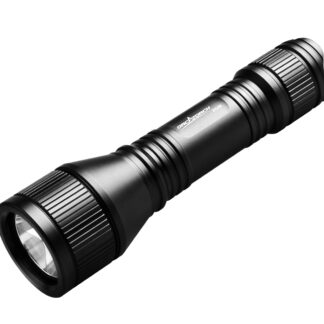
A good torch is essential for looking into the back of caves and cracks. Never shine it directly in the lobster’s face as this can cause it to retreat deeper. Instead, angle the beam so you light the area without startling it.
If you find a promising hole, use your extendable float line and torch attached to your float to mark the spot. Leave the torch at the entrance, swim up to the surface, breathe up calmly and plan the extraction.
Approaching the Lobster
Approach slowly and deliberately. Lobsters rely on their antennae to sense threats; sudden water movement or clumsy fin strokes can spook them.
Once you spot the lobster inside its hole:
- Keep low and move in gently.
- Position yourself so you can see the tail, not the claws.
- Avoid blocking the exit too aggressively, which may cause the lobster to stay pinned inside.
- If it retreats out of sight, do not chase it deeper. Reassess and try again after recovery.
Patience is essential here – rushing the approach usually results in a missed catch.
-
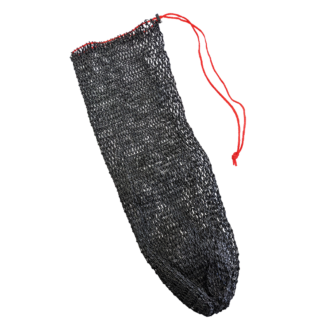
 Start Point Scallop/Lobster Net Bag£13.99
 -
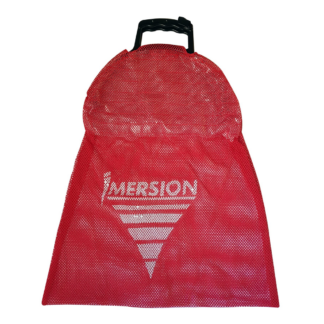
Imersion Red Net Bag£23.99
-
Orca D550 1000 Lumen Dive Torch£103.99
-
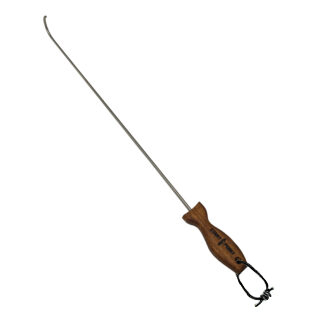
Start Point Lobster HookPrice range: £24.99 through £31.99
-
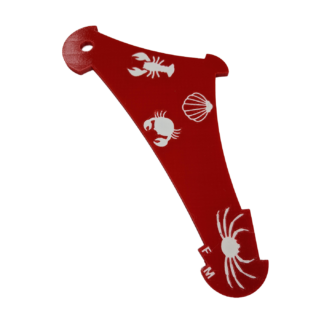
Start Point Spearfishing Foraging Gauge£9.99
Using the Lobster Hook
A lobster hook is your primary extraction tool. The aim is not to spear or stab, but to encourage the lobster backward toward you so you can grip it by hand.
To use the hook correctly:
- Slide it gently along the floor or wall of the cave.
- Reach until the hook is positioned behind the lobster’s tail.
- Apply slow pressure to nudge the tail forward.
- The lobster will likely then turn to face perceived threat from the hook, thus exposing its carapace to you.
- As the lobster moves, be ready with your free hand to grab it around the carapace just behind the claws.
- Keep your grip firm but not aggressive – you are controlling, not harming.
A properly designed lobster hook is blunt, sufficiently curved to match the shape of a lobster’s tail, and poses no risk of injury.
Handling the Lobster Safely
Once the lobster is out of the hole:
- Hold it firmly by the carapace.
- Keep it away from your face as lobsters can flick their tails sharply.
- Do not squeeze or bend the tail excessively.
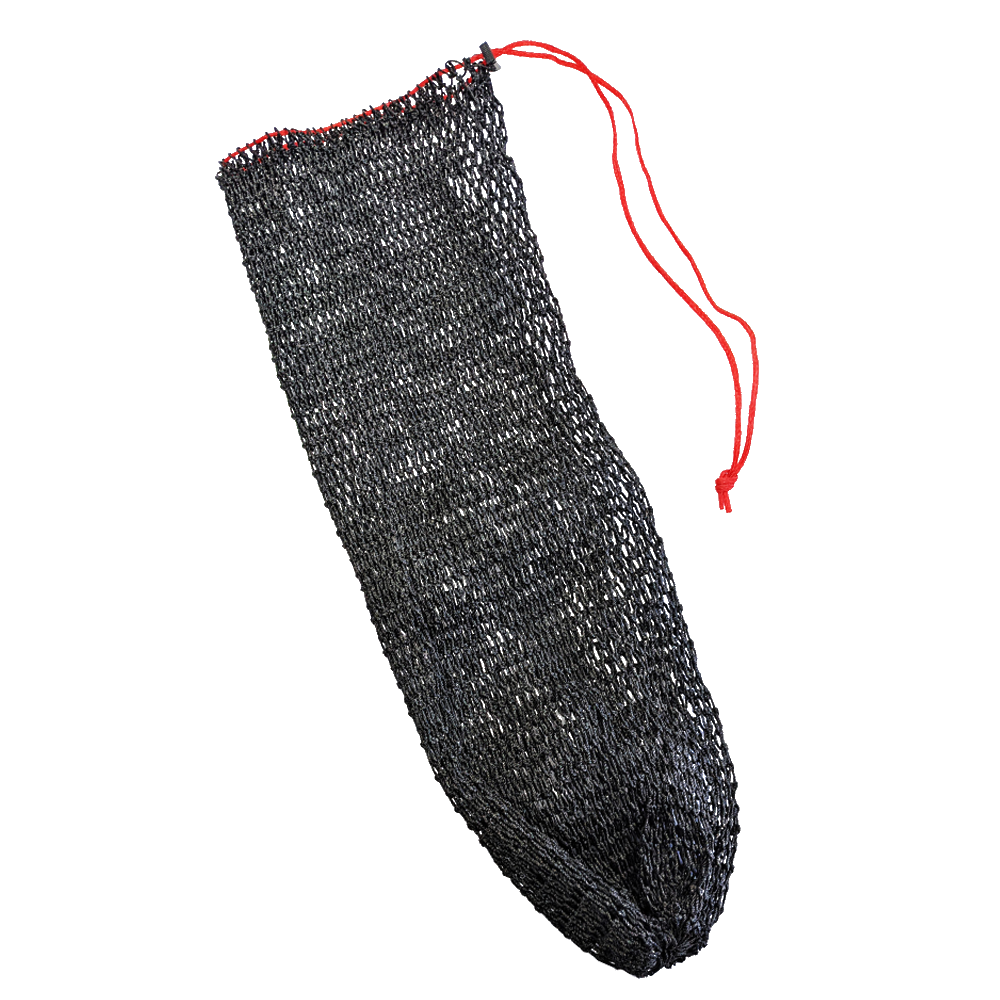
- Place it into a heavy duty catch bag designed for crustaceans. Always keep the opening secured.
Remember: some lobsters must be released. If the lobster is egg-bearing (berried), too small, V-notched or outside other legal limits, return it carefully to its hole.
Surface Recovery and Dive Management
Lobstering often involves dozens of short dives while exploring rocky ground, which can tempt divers into rushing their breath-ups. This is where incidents happen.
A simple safety rule:
Surface recovery time should be 2.5 to 3 times your dive time.
Extra care is needed beyond 6 metres, where exertion and repeat dives accumulate faster than you may realise.
A dive watch is extremely helpful for tracking depth, dive time and recovery, and can dramatically improve your safety and efficiency.
Learn more about shallow water blackout and the importance of proper recovery time with our blog: ‘Shallow Water Blackout: Causes and Prevention for Freedivers and Spearfishers’
Best Conditions for Lobstering
You will improve your success rate by diving in:
- Good visibility
- Low surge
- Light swell
- Slack or gentle tide
- Minimal wind
Lobsters can still be found in poor visibility, but you’ll spend more energy searching and be more exposed to entanglement hazards.
Final Thought
Catching lobster is not about force or aggression. The best lobster divers are patient, observant and consistent. With the right kit, careful movements and an organised approach, lobster foraging becomes a safe, rewarding and highly engaging skill.