
Shallow water blackout (SWB) is a loss of consciousness caused by a lack of oxygen to the brain following breath-holding, most frequently when a diver is ascending or just reaches the surface. Without immediate rescue, drowning is highly likely. It is a preventable incident, but only if divers understand the behaviours that lead to it and practise safe habits every time they dive.

It Does Not “Just Happen”
Shallow water blackout is not a random or unavoidable event. It almost always occurs when a diver pushes beyond their comfortable and safe limits, whether through depth, time, repetition, speed of ascent or incomplete recovery. It is far more common in freediving cultures that focus on personal bests, competitive depth targets, long underwater swims, or breath-hold challenges, rather than relaxed recreational diving.
If you remain well within a comfortable depth range, avoid pushing bottom time, and fully recover on the surface between dives, your risk is dramatically reduced.
Primary Causes
SWB is fundamentally caused by low oxygen, but several behaviours increase risk significantly:
- Pushing depth or time for achievement rather than enjoyment
- Hyperventilating before diving, even unintentionally (including after strenuous activity)
- Repeated dives with inadequate surface recovery
- Rushing or competing mentally, even informally
- Fatigue, cold, dehydration, or overconfidence
Importantly, hyperventilation reduces CO₂ but does not increase oxygen stores. This delays the urge to breathe and removes the body’s natural warning system.
Prevention Through Smart Habits
You cannot completely remove risk, but you can greatly reduce it:
- Never dive alone – a buddy must watch every ascent and first breaths
- Do not hyperventilate – use calm, natural breathing only
- Stay well within your comfortable depth and time
- Recover fully on the surface before every new dive
- Avoid diving immediately after intense exertion
- Stop if you feel off, tired, cold, anxious, or rushed
Surface Recovery Recommendation
A simple, effective guide is:
Surface recovery time = 2.5 to 3 times your dive time
For example:
- If your dive lasted 40 seconds, recover at the surface for 100 to 120 seconds before diving again.
- Take extra care beyond 6 metres, as it becomes easier to lose track of depth, effort and total dive count.
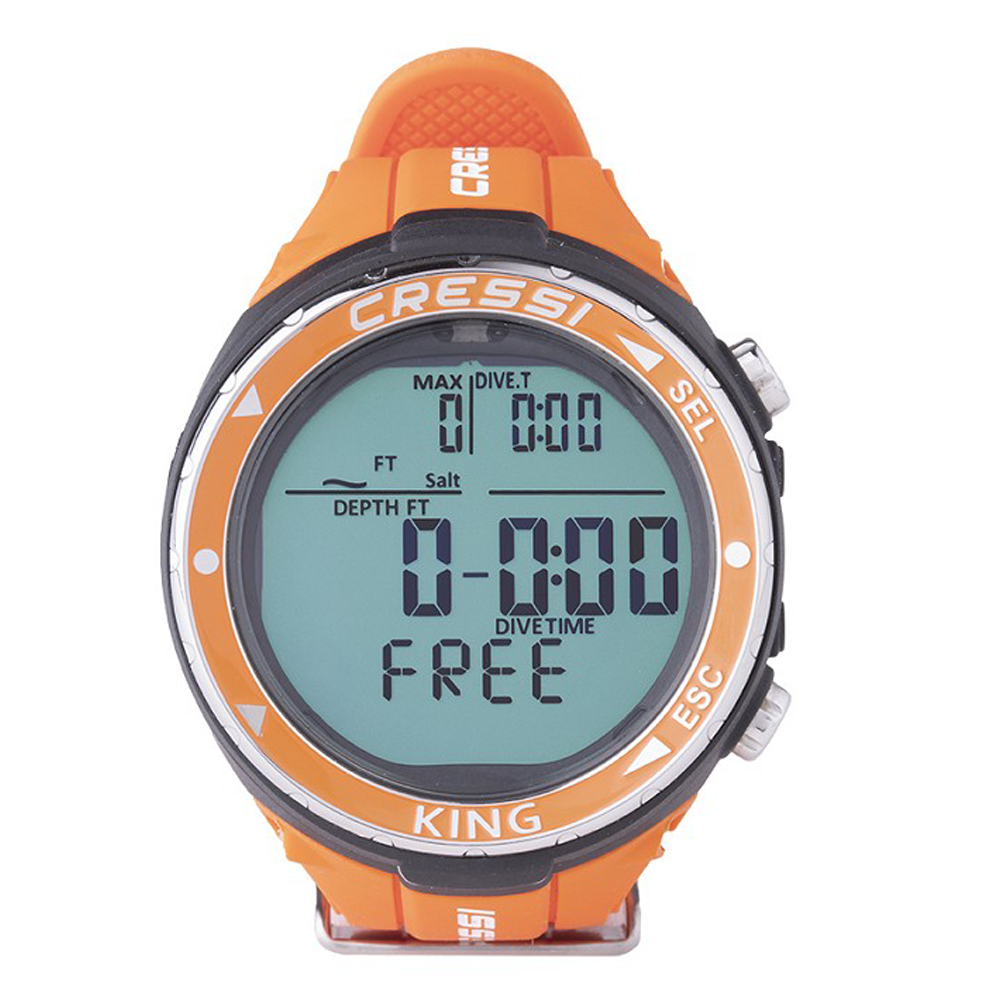
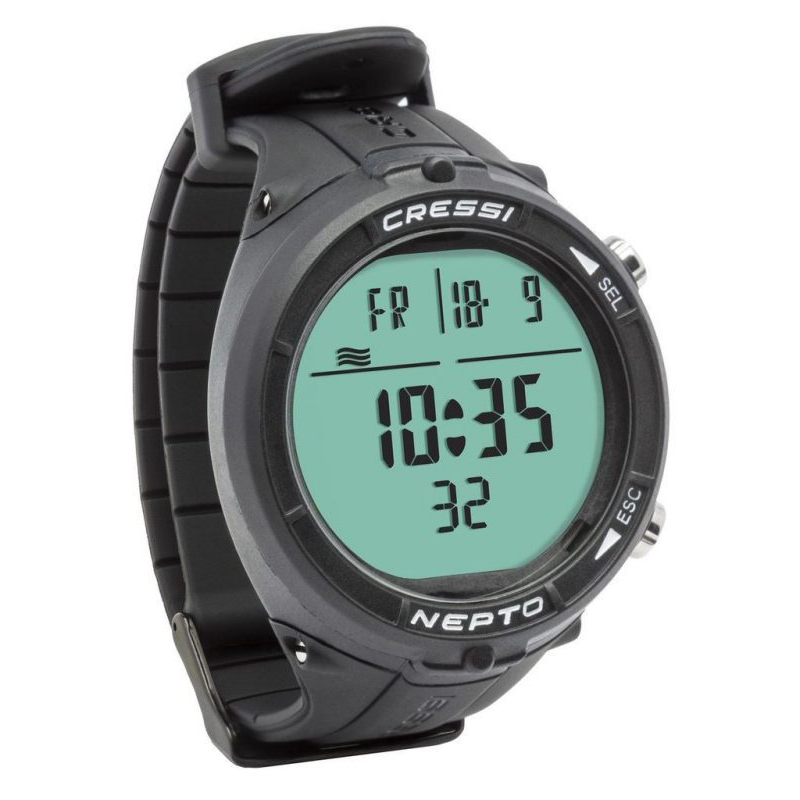
To help maintain awareness, consider investing in a dive watch that tracks depth, dive duration and surface interval, giving you objective feedback instead of relying on memory or feeling.

Cressi King Dive Computer
£295.99Cressi Nepto Freediving Watch
£259.99Suunto D4I Novo Dive Computer
£389.99

Why Divers Misjudge Risk
Breath-hold discomfort is controlled mainly by CO₂ rise, not oxygen drop. This is because it is the increase of CO₂ which makes you want to breathe. This means you may feel fine shortly before blackout, especially after hyperventilation or when adrenaline, excitement, or task focus distracts you. Relying on feeling “ok” is not a safety strategy.
Final Thought
Shallow water blackout is preventable when divers value enjoyment and safety over numbers. The ocean will always be there, progress comes from patience, awareness and consistency, not from pushing limits. Safe divers are not defined by depth or time, but by making it home after every dive.